Introduction
Running a successful business involves more than managing finances, employees and customers. Every organization must also comply with applicable laws and regulations to operate smoothly and sustainably.
In India, businesses are subject to several legal and regulatory requirements concerning company formation, taxation, employment, contractual obligations and corporate governance.
Understanding these requirements helps businesses minimize legal risks, protect their interests and establish long-term credibility.
1. Understanding Corporate Legal Compliance
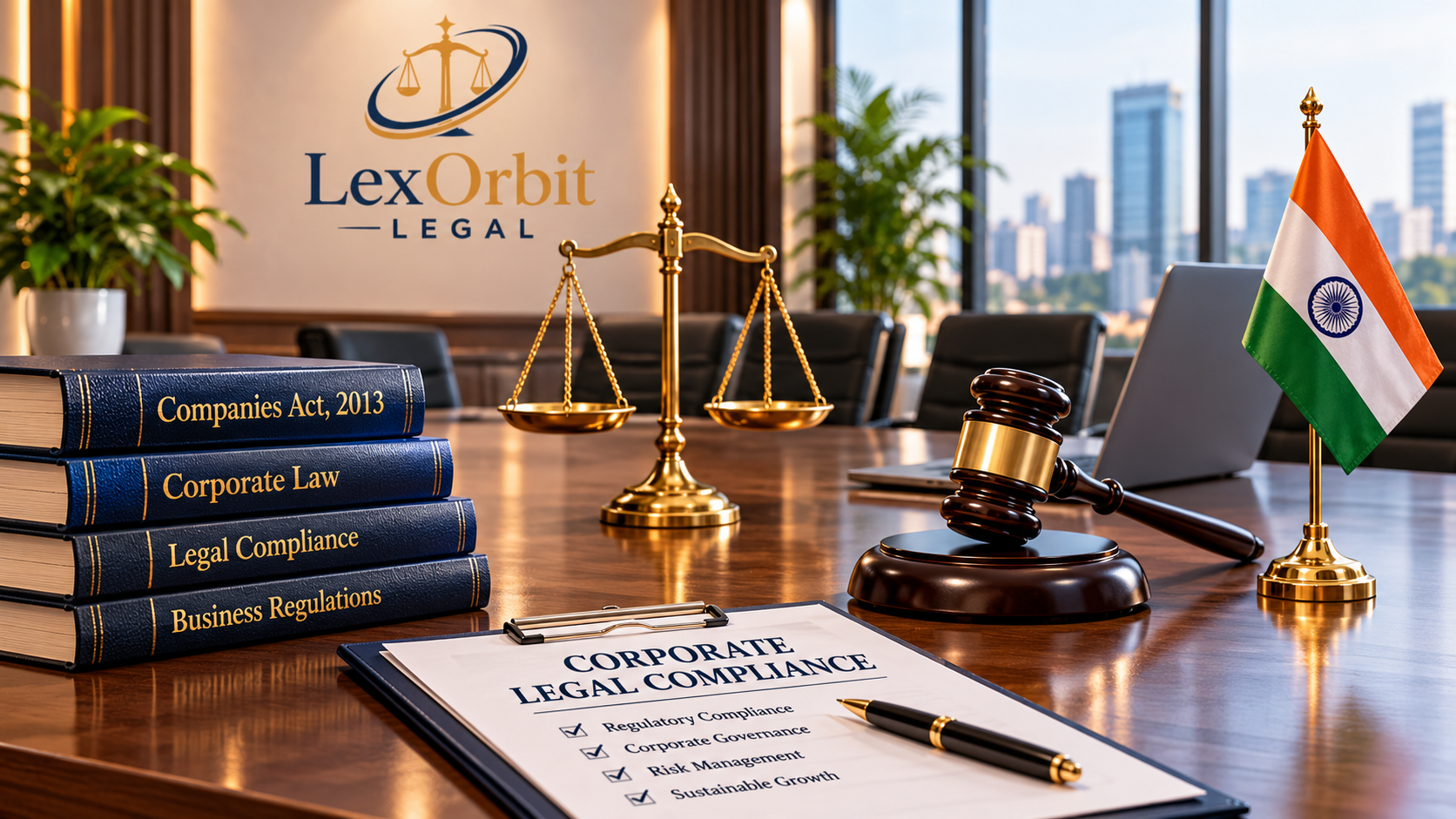
Corporate legal compliance refers to following the laws, regulations and statutory requirements applicable to a business.
Depending on the nature and structure of the organization, these obligations may include:
Companies Act, 2013 compliance.
Statutory filings and regulatory reporting.
Maintenance of corporate records.
Employment and labour law compliance.
Tax-related obligations.
Contractual and commercial compliance.
Businesses should identify the requirements applicable to their operations and maintain appropriate compliance procedures.
2. Importance of Proper Contract Management
Contracts form the foundation of commercial relationships.
Whether dealing with customers, suppliers, employees or business partners, properly drafted agreements help establish clear responsibilities and expectations.
Important contractual documents include:
Non-disclosure agreements.
Employment agreements.
Service agreements.
Partnership agreements.
Vendor and supplier contracts.
Commercial lease agreements.
Professional legal review can help identify unclear terms, reduce disputes and protect business interests.
3. Corporate Governance and Transparency
Good corporate governance promotes accountability, transparency and responsible decision-making.
Companies should establish appropriate internal procedures, maintain accurate records and ensure that directors and management understand their legal responsibilities.
Strong governance practices can improve stakeholder confidence and support sustainable business development.
4. Managing Legal Risks
Ignoring legal obligations can expose businesses to financial penalties, regulatory proceedings and commercial disputes.
Organizations should regularly review their legal documentation, identify potential risks and seek appropriate professional legal guidance.
Preventive legal planning is often more effective than responding to disputes after they arise.
5. Why Professional Legal Advice Matters
Corporate legal matters can involve complex statutory requirements and contractual obligations.
Experienced legal professionals can assist businesses with corporate documentation, regulatory compliance, commercial negotiations and dispute resolution.
Obtaining appropriate legal advice helps organizations make informed decisions while protecting their legal and commercial interests.
Conclusion
Corporate legal compliance is not simply an administrative responsibility. It is an important part of building a stable, transparent and sustainable business.
By maintaining proper documentation, understanding applicable regulations and adopting effective corporate governance practices, businesses can reduce legal risks and strengthen their foundations for future growth.
LexOrbit Legal is committed to providing professional legal insights and helping individuals and businesses better understand their legal responsibilities.
Disclaimer: This article is intended for general informational purposes only and does not constitute legal advice. Legal requirements may vary depending on the circumstances and applicable law
Corporate legal compliance helps Indian businesses operate smoothly, avoid legal risks, maintain transparency and build long-term trust through proper documentation and regulatory compliance.
Category:Corporate Law